
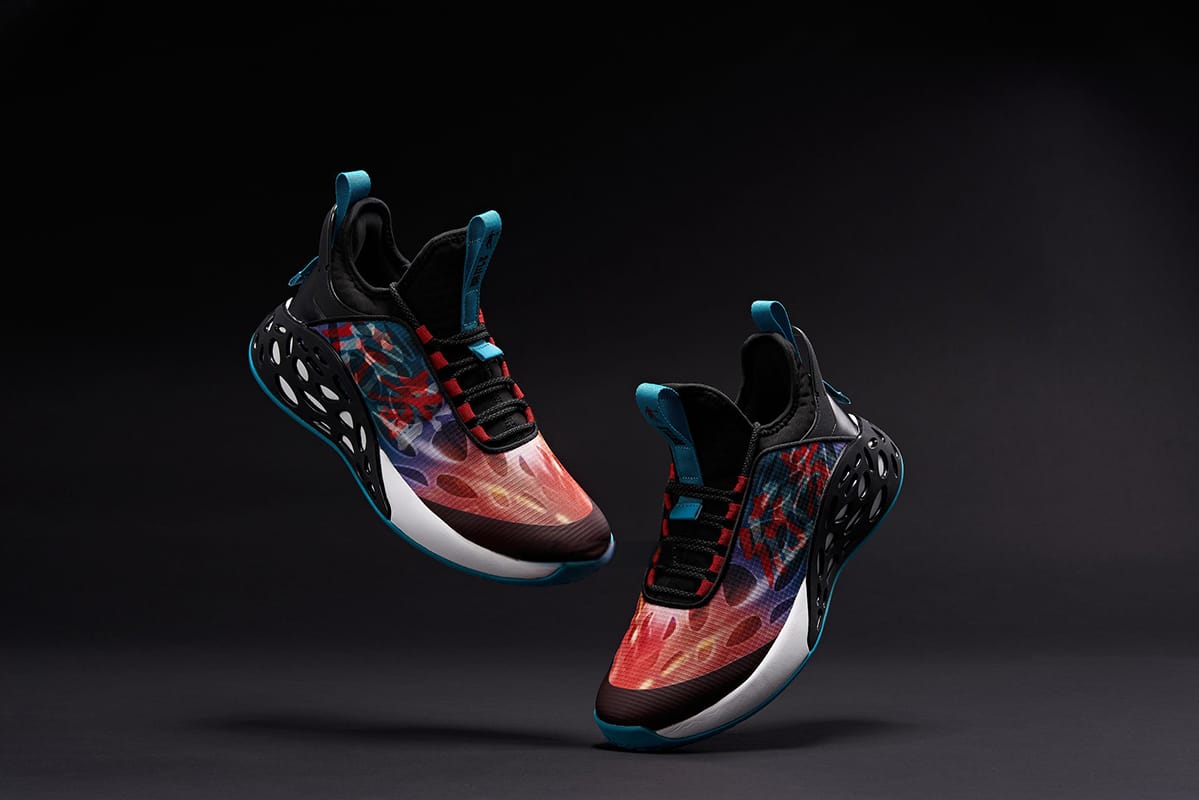
Bonded Thread in Footwear Sewing
Bonded thread is commonly used in footwear sewing because the bonding treatment helps keep the plied strands together as the thread passes through the sewing system. Depending on the thread material and Tex size, it may be considered for stitching components such as uppers, linings and other footwear assemblies. Final suitability depends on the footwear construction, material, seam design, needle and machine setup.
Thread Strength and Specification
Thread strength is one factor in footwear sewing, but performance should be evaluated using the specific thread material, Tex size and available test information. NEXUS maintains internal tensile and elongation test data for selected Bonded Nylon 6.6 specifications. These results apply to the tested samples and conditions and should not be treated as a universal performance guarantee.
Bonded Construction and Thread Handling The bonding treatment helps keep the plied strands together during sewing and can reduce strand separation and fraying. Actual sewing performance still depends on the thread material, needle, tension, machine setup and footwear construction.
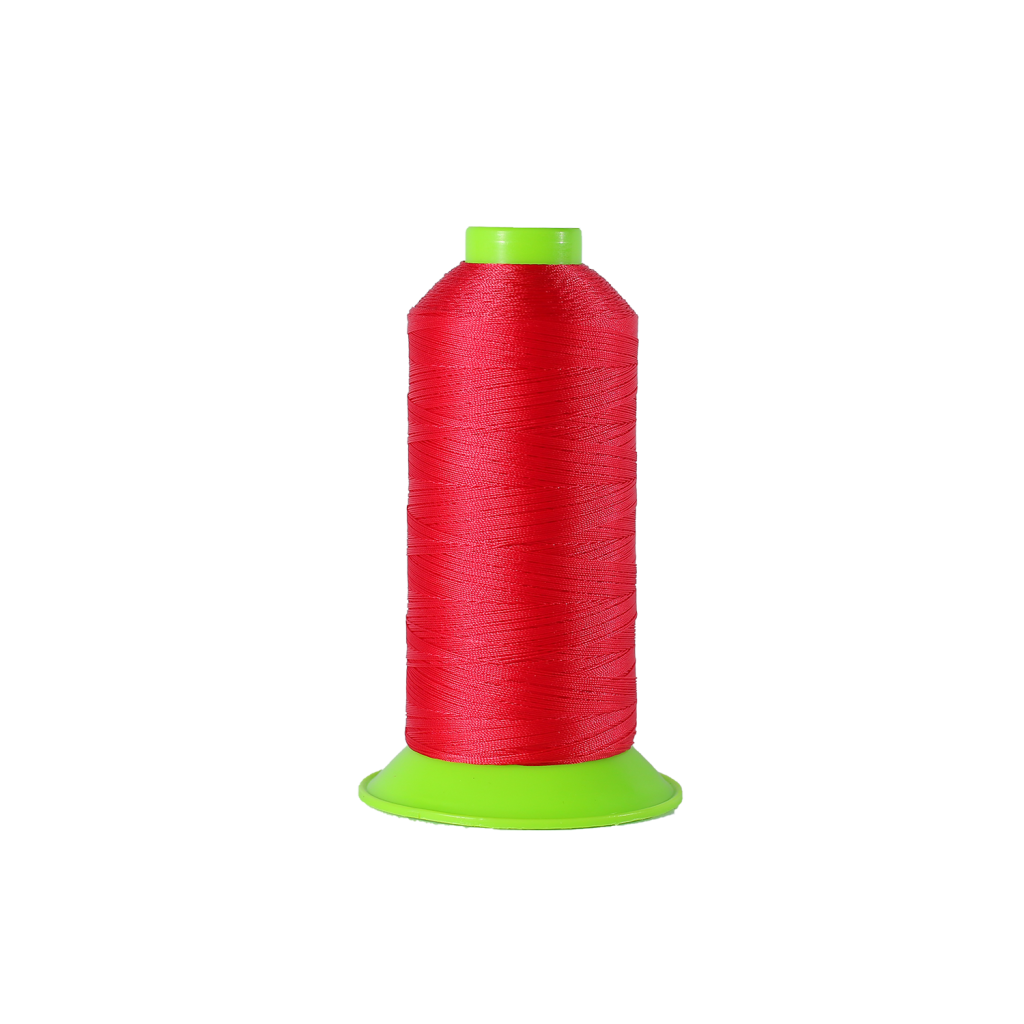
Tensile Performance
Tensile performance varies by thread material, Tex size, construction and test conditions. Use the confirmed specifications and available test information for the selected thread rather than assuming the same performance across all bonded threads.
Abrasion and Strand Stability
Bonded construction helps maintain strand cohesion during sewing. Abrasion performance depends on the thread material, construction, seam design and actual operating conditions.
Environmental Conditions
Moisture, chemicals, heat and prolonged environmental exposure can affect sewing threads differently. Bonding should not be treated as proof of moisture or chemical resistance. Thread material and specification should be selected according to the actual footwear application and exposure conditions.
Stitch Appearance
Bonded construction can help the plied strands remain together during sewing, which may support a more consistent thread appearance in the finished seam. Final stitch appearance still depends on the thread size, color, material, stitch design and sewing conditions.
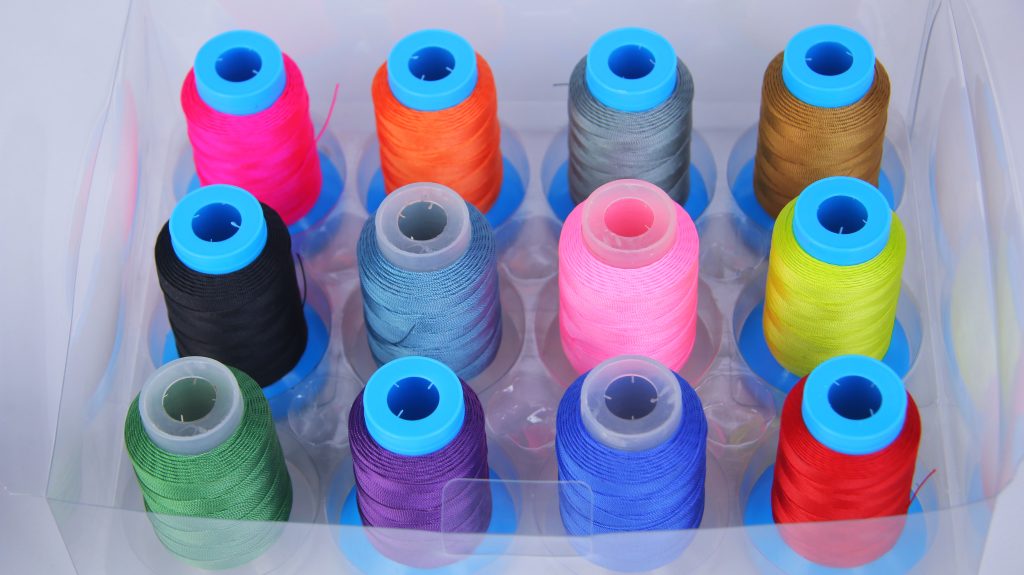
Sewing Setup and Production Use
Stable thread handling can be helpful during production, but sewing results depend on the complete setup, including thread specification, needle, tension, machine condition and footwear construction. The selected thread should be tested on the intended material before production.
Selecting Bonded Thread for Shoes
Bonded thread is commonly used in footwear applications where strand cohesion and stable sewing performance are important. The appropriate thread should be selected according to the material, Tex size, seam design, stitch appearance, sewing machine and actual use conditions. Product specifications and available test information should be reviewed before final selection.
