

Sewing thread is an essential component
Sewing thread is an essential component in any sewing project. It not only holds the fabric together but also adds decorative elements to the final product. With a wide variety of thread types available on the market, it can be overwhelming to select the right thread for your project. In this article, we will discuss the factors to consider when choosing sewing thread to ensure the best results for your sewing endeavors.
Different fabrics require different types of sewing thread
First and foremost, it is important to consider the type of fabric you will be sewing. Different fabrics require different types of thread for optimal results. For example, lightweight fabrics such as silk or chiffon will require a fine thread, while heavier fabrics like denim or canvas will need a thicker, more durable thread. Matching the thread weight to the fabric weight will ensure that the stitches are strong and durable.
fiber content of sewing thread
In addition to the weight of the thread, the fiber content is another important factor to consider. Sewing threads are typically made from cotton, polyester, rayon, or a blend of these materials. Each type of fiber has its own characteristics that can affect the quality of the stitches. For example, cotton thread is ideal for natural fibers like cotton or linen, as it will not damage the fabric. On the other hand, polyester thread is more suitable for synthetic fabrics as it is stronger and more resistant to stretching.
sewing thread color
Another consideration when choosing sewing thread is the color. While this may seem like a simple decision, choosing the right color thread can make a significant difference in the overall appearance of the finished project. Matching the thread color to the fabric color will result in nearly invisible stitches, while contrasting thread colors can be used for decorative topstitching or embroidery.
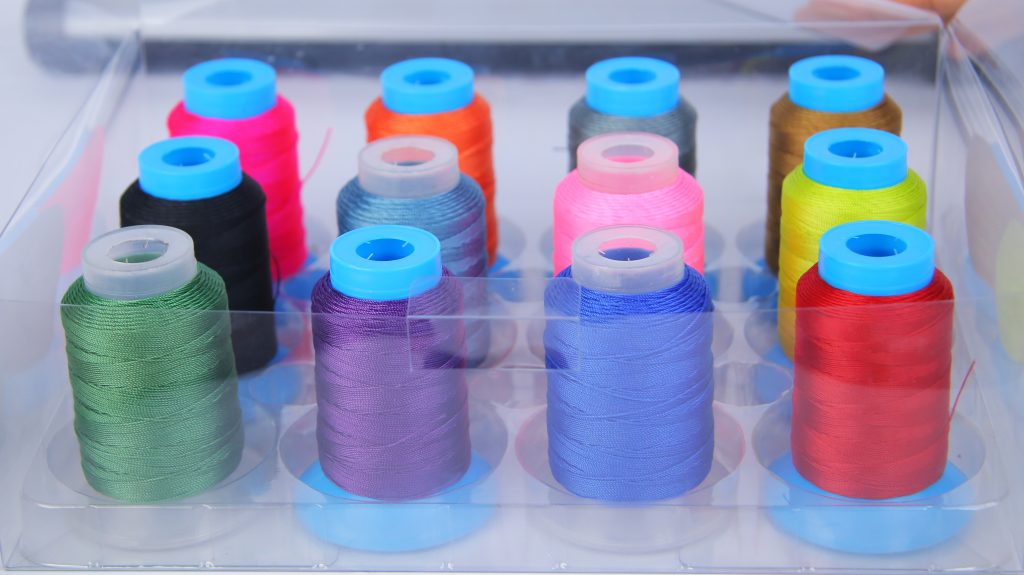
type of sewing project
Furthermore, the type of sewing project will also influence the choice of sewing thread. For basic garment construction or general sewing, an all-purpose polyester thread is suitable for most applications. However, for specialized projects such as quilting or embroidery, specialty threads such as metallic or variegated threads may be required to achieve the desired effect.
sewing thread is compatible with the sewing machine
When it comes to the sewing machine, it is important to ensure that the thread is compatible with the machine. Some sewing machines may have specific requirements for thread weight or type, so it is important to check the manufacturer’s guidelines before selecting a thread. Using the wrong thread in a sewing machine can result in tension issues, broken threads, or even damage to the machine.
Higher quality sewing threads
Lastly, consider the quality of the thread when making your selection. Higher quality threads are less likely to break or fray during sewing, resulting in a smoother sewing experience and a more professional finish. While higher quality threads may be more expensive, they are often worth the investment in the long run.
Experimenting with different types of sewing thread
Choosing the right sewing thread is essential for achieving high-quality sewing results. By considering factors such as thread weight, fiber content, color, project type, machine compatibility, and thread quality, you can ensure that your sewing projects are successful and long-lasting. Experimenting with different types of thread and finding the best match for each project will not only improve your sewing skills but also enhance the overall appearance of your creations.
