

the right thread is essential
Choosing the right thread is essential for achieving successful and durable sewing projects. There are many different types of thread available, each with its own characteristics and best uses. In this article, we will explore the various types of thread and discuss which type is best for different sewing applications.
1. Polyester Thread
Polyester thread is one of the most commonly used threads for sewing. It is a strong and durable thread that is resistant to abrasion, sunlight, and chemicals. Polyester thread is great for sewing projects that require strength and durability, such as upholstery, outdoor gear, and denim. It is also available in a wide range of colors and weights, making it a versatile choice for a variety of sewing projects.
2. Cotton Thread
Cotton thread is another popular choice for sewing. It is best suited for lightweight fabrics, such as cotton and linen, as well as for quilting projects. Cotton thread has a natural finish and is great for sewing delicate fabrics, as it is less likely to damage the fibers. However, cotton thread is not as strong as polyester thread, so it may not be the best choice for heavy-duty sewing projects.
3. Silk Thread
Silk thread is a luxurious and elegant option for sewing projects that require a delicate touch. It is perfect for sewing silk, satin, and other luxury fabrics, as it adds a touch of sophistication to the finished garment. Silk thread is strong and durable, but it can be more expensive than other types of thread. It is best used for high-end sewing projects where the quality of the thread is as important as the quality of the fabric.
4. Nylon Thread
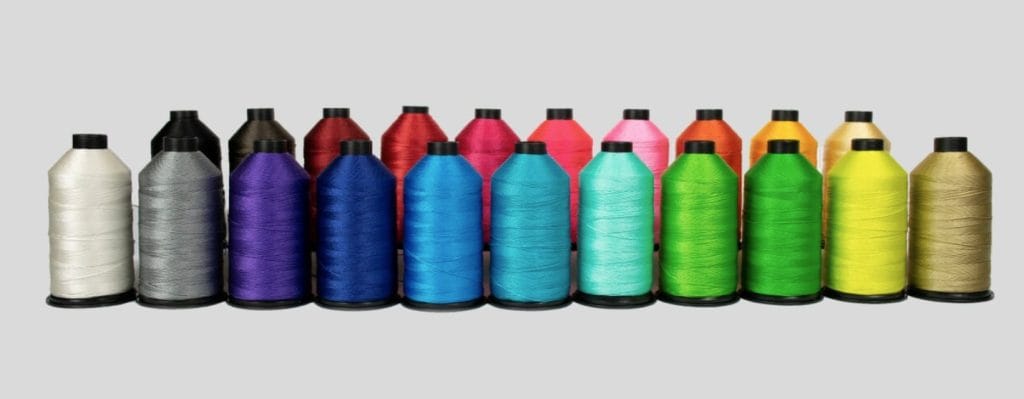
Nylon thread is a synthetic thread that is known for its elasticity and strength. It is great for sewing projects that require stretch, such as swimwear, activewear, and lingerie. Nylon thread is also resistant to mildew and UV rays, making it a suitable choice for outdoor and marine applications. However, nylon thread can be difficult to work with, as it tends to be slippery and may require special needles and tension settings.
5. Wool Thread
Wool thread is a natural thread that is best suited for wool, tweed, and other wool-based fabrics. It is soft, warm, and flexible, making it ideal for sewing garments that require a bit of stretch and movement. Wool thread is not as strong as polyester or nylon thread, so it is best used for lightweight and medium-weight fabrics. It is available in a variety of colors and weights, making it a versatile choice for a range of sewing projects.
6. Metallic Thread
Metallic thread is a decorative thread that adds sparkle and shine to sewing projects. It is often used for embroidery, quilting, and decorative stitching on garments and accessories. Metallic thread can be made from various metals, such as gold, silver, and copper, and is available in a range of thicknesses and finishes. However, metallic thread can be tricky to work with, as it is prone to breaking and tangling. Specialized needles and tension settings are often required when sewing with metallic thread.
best type of thread for sewing
The best type of thread for sewing depends on the specific requirements of the project. Polyester thread is a versatile choice for most sewing applications, thanks to its strength, durability, and wide range of colors. Cotton thread is ideal for sewing lightweight fabrics, while silk thread adds a touch of luxury to high-end projects. Nylon thread is great for stretchy fabrics, wool thread is perfect for wool fabrics, and metallic thread is a fun and decorative option. By choosing the right type of thread for each sewing project, you can ensure that your finished garment is not only beautiful but also strong and durable.
