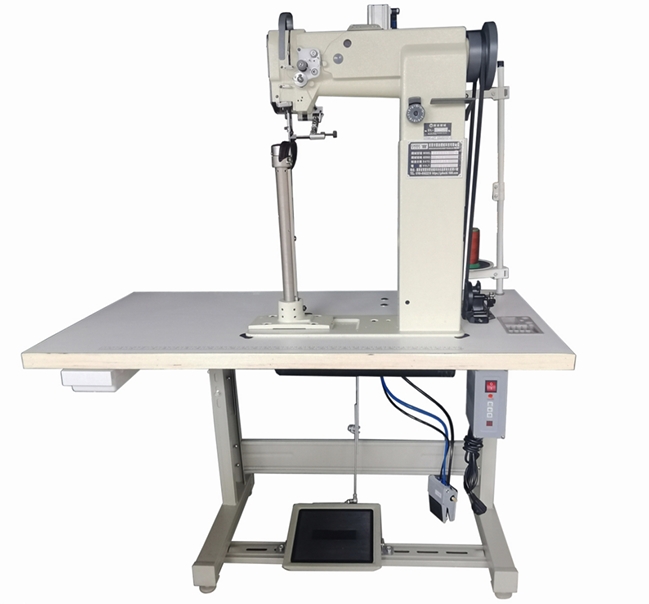
Skiving leather
Skiving leather is a process that involves thinning or reducing the thickness of the leather in a specific area. This technique is commonly used in leatherworking to create smoother edges, reduce bulk in seams, or shape the leather for various projects. There are several methods and tools that can be used to skive leather effectively.
skiving knife
One common tool used for skiving leather is the skiving knife. This specialized knife has a sharp, angled blade that allows the user to slice away thin layers of leather with precision. When using a skiving knife, it is important to hold the leather firmly in place and use smooth, controlled motions to remove the desired amount of material. Skiving knives come in various shapes and sizes, allowing for flexibility in the skiving process based on the project requirements.
skiving machine
Another tool that can be used for skiving leather is the skiving machine. Skiving machines are typically used in industrial settings or by professionals who need to skive leather on a larger scale. These machines are equipped with a spinning blade or roller that can quickly and consistently thin out the leather. Skiving machines are often adjustable, allowing the user to control the thickness of the skived leather more precisely.
important techniques
In addition to tools, there are a few important techniques to keep in mind when skiving leather. First, it is crucial to mark the area to be skived accurately before starting the skiving process. This will help ensure that the leather is thinned evenly and to the correct thickness. It is also essential to skive the leather slowly and carefully, especially when using a hand tool like a skiving knife. Rushing the skiving process can lead to mistakes or uneven skiving, resulting in a less professional-looking finished product.
Different types of leather
Furthermore, it is important to consider the type of leather being skived. Different types of leather have varying thicknesses, textures, and properties, which can affect the skiving process. For example, softer leathers may require a lighter touch when skiving to avoid cutting too deeply, while thicker leathers may need multiple passes with a skiving tool to achieve the desired thinness.
sharpness of the skiving tools
When skiving leather, it is also crucial to maintain the sharpness of your skiving tools. Dull blades can make the skiving process more difficult and less precise, leading to rough edges or uneven skiving. Regularly sharpening or replacing skiving blades will help ensure clean, smooth skiving results.
skiving leather is a valuable technique
In conclusion, skiving leather is a valuable technique in leatherworking that allows for greater precision and versatility in creating leather goods. By using the right tools, techniques, and careful attention to detail, leatherworkers can achieve professional-looking skived edges, seams, and shapes in their projects. Whether working on small crafts or large-scale manufacturing, mastering the skill of skiving leather can take your leatherworking to the next level.


