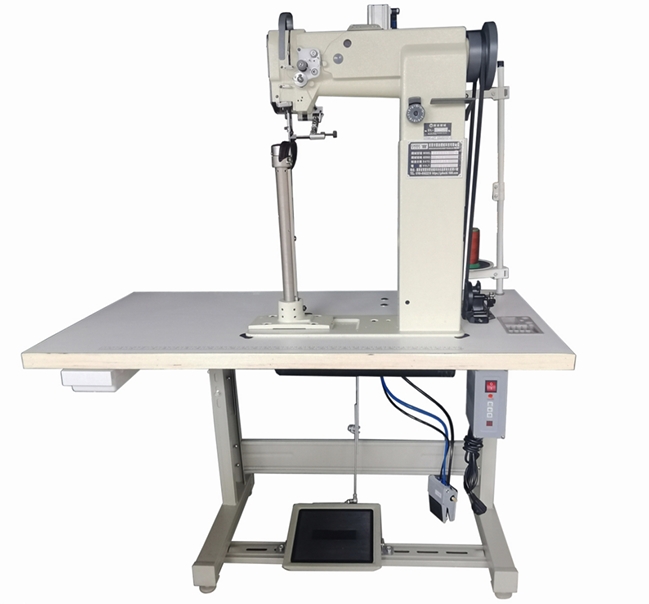
Bonded nylon thread is a popular choice for sewing projects that require strength, durability, and resistance to abrasion. It is commonly used for outdoor gear, upholstery, leather goods, and other heavy-duty applications. Choosing the right bonded nylon thread for your project is essential to ensure the durability and quality of your finished product. Here are some factors to consider when selecting bonded nylon thread:
1. Thread Size:
Bonded nylon thread comes in different sizes, typically denoted by a number. The higher the number, the finer the thread. Before choosing a thread size, consider the thickness of the fabric or material you will be sewing. For heavy-duty fabrics like canvas or leather, a thicker thread, such as size 69 or 92, is recommended for added strength and durability. For lighter weight fabrics, a thinner thread, such as size 46 or 69, may be more suitable.
2. Bonding:
Bonded nylon thread is treated with a special coating that helps prevent unraveling and provides added strength. When choosing bonded nylon thread, make sure to check the quality of the bonding. A well-bonded thread will have a smooth, consistent appearance with no loose fibers or fraying. Avoid threads with visible imperfections, as they may lead to breakage during sewing.
3. Color:
Bonded nylon thread comes in a wide range of colors to match or complement your fabric or material. When choosing a color, consider the overall aesthetic of your project. For a cohesive look, select a thread color that blends in with the fabric. If you want to create contrast or add decorative elements, choose a contrasting or complementary color. Keep in mind that color may fade over time, so it’s important to select a colorfast thread for long-lasting results.
4. UV Resistance:
If your project will be exposed to sunlight or outdoor elements, consider choosing a bonded nylon thread with UV resistance. UV-resistant threads are treated to withstand prolonged exposure to sunlight without fading or weakening. This isHow to Choose Bonded Nylon Thread.
Bonded nylon thread is a popular choice for sewing projects that require strength, durability, and resistance to abrasion. It is commonly used for sewing leather goods, heavy-duty fabrics, outdoor gear, and upholstery. Choosing the right bonded nylon thread for your project is essential to ensure the quality and longevity of your work. In this article, we will discuss the factors to consider when selecting bonded nylon thread and provide some tips on making the best choice.
1. Consider the Weight and Thickness
Bonded nylon thread comes in various weights and thicknesses, typically measured in denier or tex. The weight of the thread will determine its strength and thickness. For heavy-duty projects, such as sewing leather or canvas, you will need a thicker and stronger thread. On the other hand, lighter weight threads are suitable for lightweight fabrics or decorative stitching. Make sure to match the thread weight with the requirements of your project for optimal results.
2. Choose the Right Color
Bonded nylon thread is available in a wide range of colors to match different fabrics and materials. When selecting a color, consider the overall aesthetic of your project and choose a thread that complements or contrasts with the fabric. Keep in mind that some colors may fade over time, especially when exposed to sunlight or harsh chemicals. It is recommended to test the colorfastness of the thread before using it on your project.
3. Check the Bonding Method
Bonded nylon thread is treated with a bonding agent to increase its strength and resistance to abrasion. There are different bonding methods used in manufacturing bonded nylon thread, such as chemical bonding, heat bonding, or wax coating. Each bonding method has its advantages and disadvantages. Chemical bonding provides a strong bond but may stiffen the thread, while heat bonding offers more flexibility but may be less durable. Consider the bonding method that best suits your project requirements.
4. Evaluate the UV Resistance
If your sewing project will be exposed to sunlight or outdoor elements, it is important to choose a bonded nylon thread with high UV resistance. UV exposure can weaken the thread and cause it to degrade over time. Look for threads that are specifically designed for outdoor use and have UV inhibitors to protect against fading and damage. Additionally, consider using a thread with a UV-resistant coating for added protection.
5. Consider the Needle Size
The size of the needle you use with bonded nylon thread will also affect the quality of your stitching. Thicker threads require larger needles to accommodate their size, while thinner threads may work best with smaller needles. Make sure to match the needle size with the thread weight to prevent any tension or stitching problems. Testing different needle sizes with scrap fabric before starting your project can help you determine the best combination for your specific needs.
Choosing the right bonded nylon thread is essential for the success of your sewing projects. By considering factors such as weight, color, bonding method, UV resistance, and needle size, you can select a thread that meets your requirements and ensures durable and professional results. Take the time to research and test different options before starting your project to avoid any issues during the sewing process. With the right bonded nylon thread, you can create strong and beautiful stitches that will stand the test of time.