

essential material-Bonded thread
Sewing thread is an essential material in shoemaking, as it is used to stitch together various components of the shoe such as the upper, lining, insole, and outsole. The choice of sewing thread is crucial as it affects the durability, appearance, and quality of the finished shoe. In this article, we will explore the different types of sewing threads used in shoemaking and their unique properties.
Types of Sewing Threads
There are several types of sewing threads commonly used in shoemaking, each with its own characteristics and suitable applications.
1. Polyester Thread:
Polyester thread is a popular choice for shoemaking due to its strength, durability, and resistance to abrasion. It is available in a wide range of colors and thicknesses, making it suitable for various types of shoes. Polyester thread is known for its high tensile strength, which ensures that the stitches will not break easily, even under stress. Additionally, polyester thread is resistant to fading and staining, making it ideal for shoes that will be worn in harsh conditions.
2. Nylon Bonded Thread:
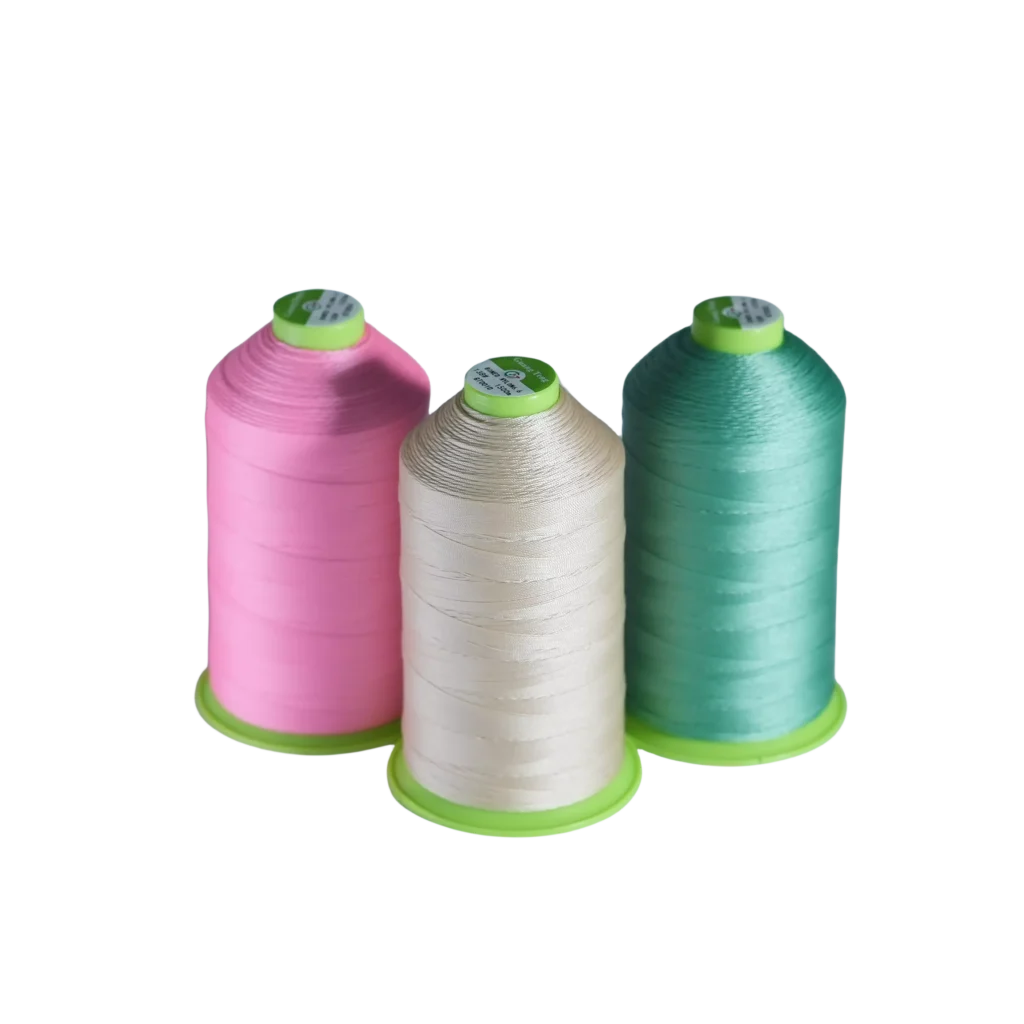
Bonded nylon thread is commonly considered for footwear applications that require suitable thread strength, abrasion resistance and stable sewing performance. The appropriate nylon thread specification depends on the footwear construction, material thickness, seam design, needle and sewing-machine setup. Different thread sizes and constructions should be evaluated according to the actual application rather than selected on material name alone.

3. Cotton Thread:
Cotton thread is a natural fiber thread that is softer and more pliable than synthetic threads. Cotton thread is commonly used in shoemaking for its aesthetic appeal, as it gives a traditional, hand-sewn look to the stitches. However, cotton thread is not as strong or durable as polyester or nylon thread, so it is best suited for casual or lightweight shoes that do not undergo heavy wear and tear.
4. Waxed Thread:
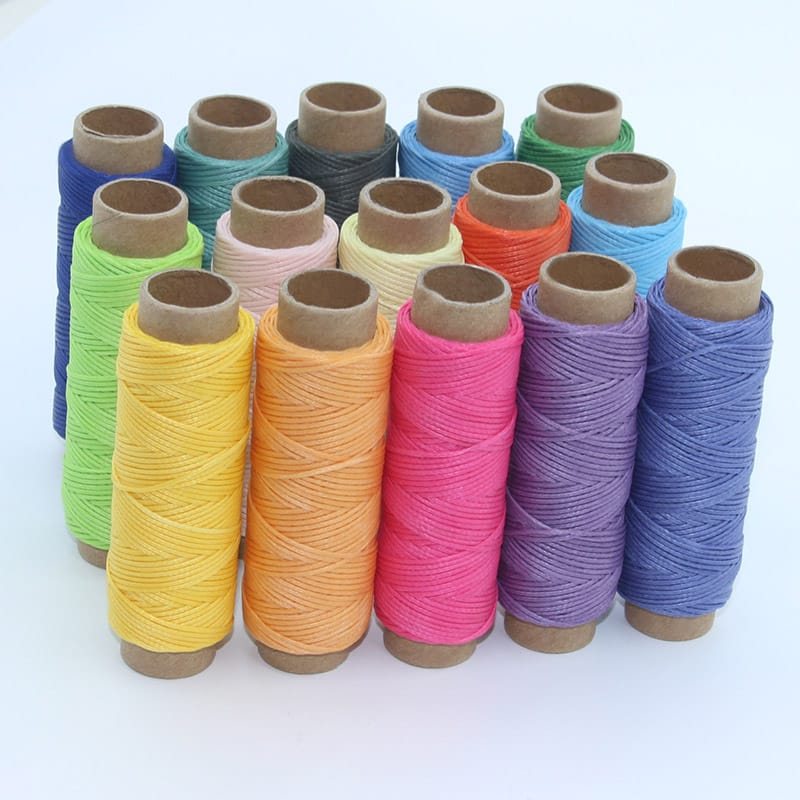
Waxed thread is a special type of thread that is coated with wax to improve its strength and water resistance. Waxed thread is commonly used in hand-sewn shoes, as the wax coating helps the thread glide smoothly through the leather and prevents fraying. Waxed thread is available in a variety of colors and thicknesses, making it a versatile choice for different styles of shoes.
Properties of Sewing Threads:
When choosing a sewing thread for shoemaking, several properties should be considered to ensure the quality and longevity of the finished shoe.
1. Strength:
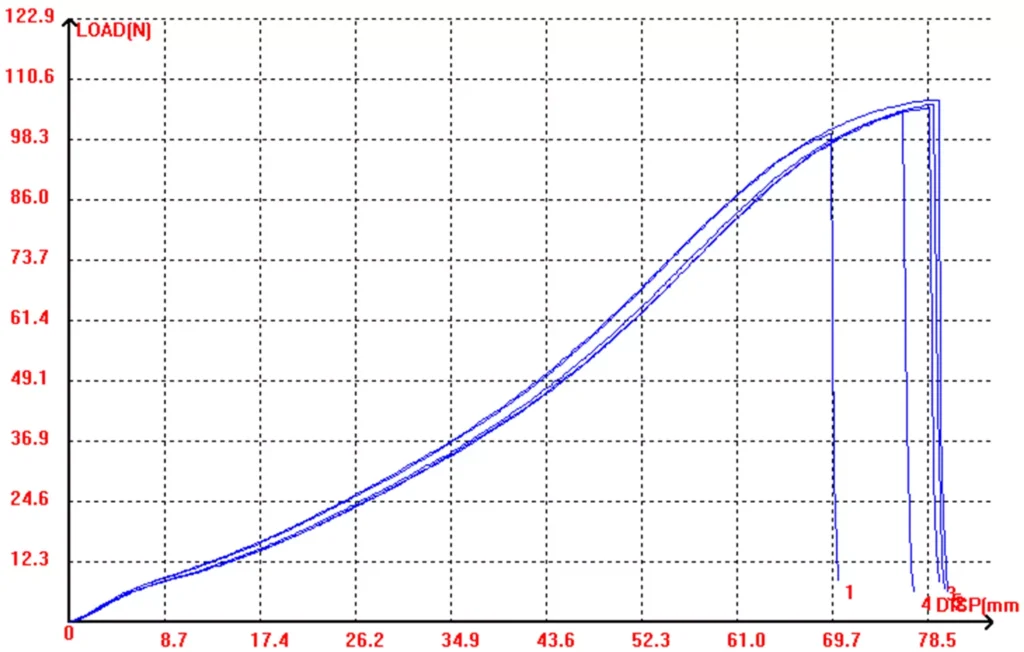
The strength of the sewing thread is crucial, as it determines the durability of the stitches. A strong thread will be able to withstand the stress and strain that shoes endure during daily wear. Polyester and nylon threads are known for their high tensile strength, making them ideal for shoes that will be subjected to heavy use.
2. Elasticity:
The elasticity of the thread is important for shoes that need to flex or stretch, such as athletic shoes or boots. Nylon thread is preferred for its elastic properties, as it can stretch and recover without breaking. This ensures that the stitches will not snap when the shoes are bent or twisted.
3. Resistance to Abrasion:
Shoes are subjected to friction and abrasion during daily wear, so the sewing thread used in shoemaking should be resistant to wear and tear. Polyester thread is known for its abrasion resistance, making it suitable for shoes that will be exposed to rough surfaces or harsh conditions.
4. Color Fastness:
The color fastness of the sewing thread is important for maintaining the appearance of the shoe over time. Polyester and nylon threads are resistant to fading and staining, ensuring that the stitches will retain their color and vibrancy even after prolonged use.
vital role
Sewing thread plays an important role in footwear construction, but the appropriate choice depends on the shoe material, seam design, required stitch appearance, thread size, needle and sewing conditions. Polyester, bonded nylon and other thread types have different characteristics, so thread selection should be based on the actual construction and performance requirements of the footwear.
